
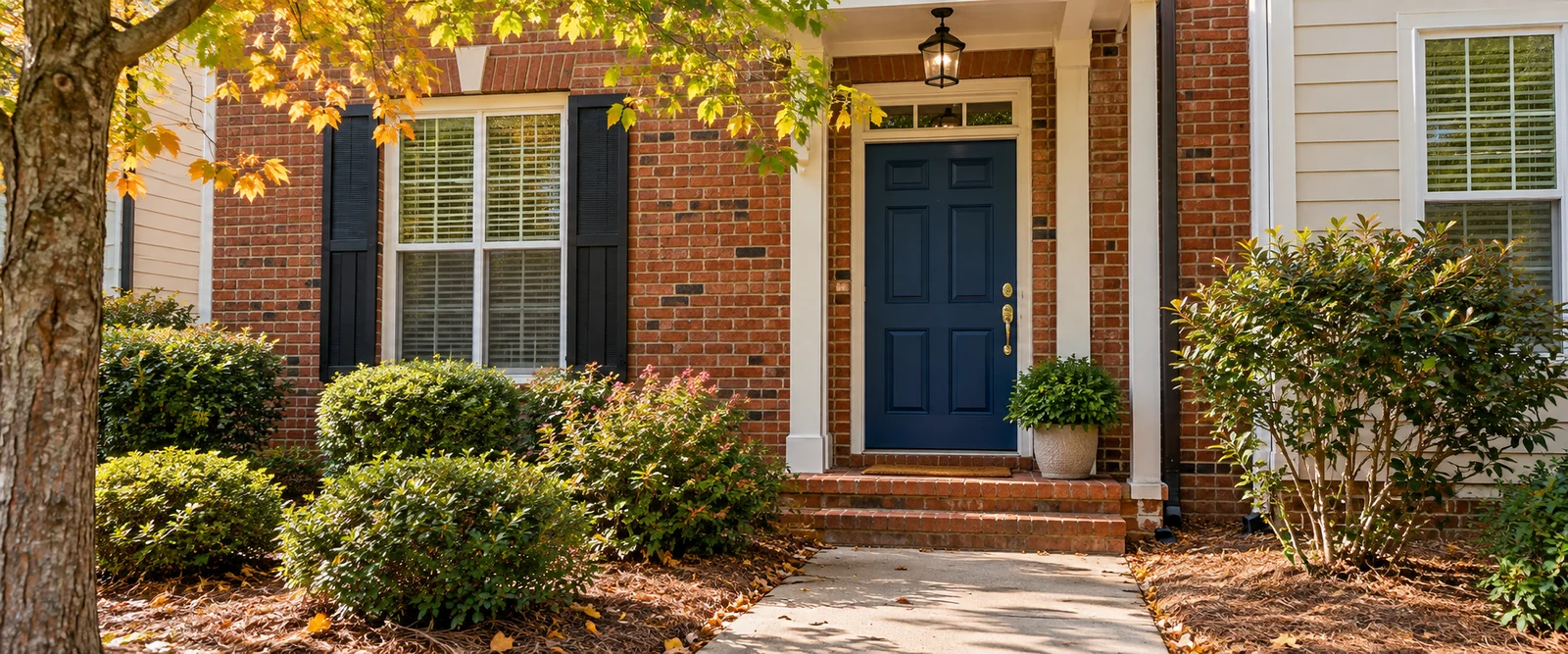
A working door, with a different key arrangement.
Moving into a home or changing who holds a spare key does not always mean replacing every lock. Rekeying changes which key operates suitable existing hardware. First, count the private doors involved, keep any working keys available and note whether the locks operate comfortably when the doors are closed.
A loose handle, damaged cylinder or latch that will not line up is a different concern. Explain that fault alongside the key change so the proposed work addresses both. For a rented home, agree with the responsible owner or manager who can authorize changes and how the new keys will be handed over.
A small-business handover deserves the same care.
For a downtown business or another Temple workplace, identify the actual keyed entrance and the person who can approve work. A staff-key change, an unreliable lock at closing time and an active lockout are separate requests. List any other doors that need to be included rather than assuming one front-door change covers the whole premises.
If the issue concerns a vehicle at the property instead, provide its year, make and model and whether any working key remains. Vehicle compatibility and the proposed work need to be established before agreeing to replacement-key or programming work.